

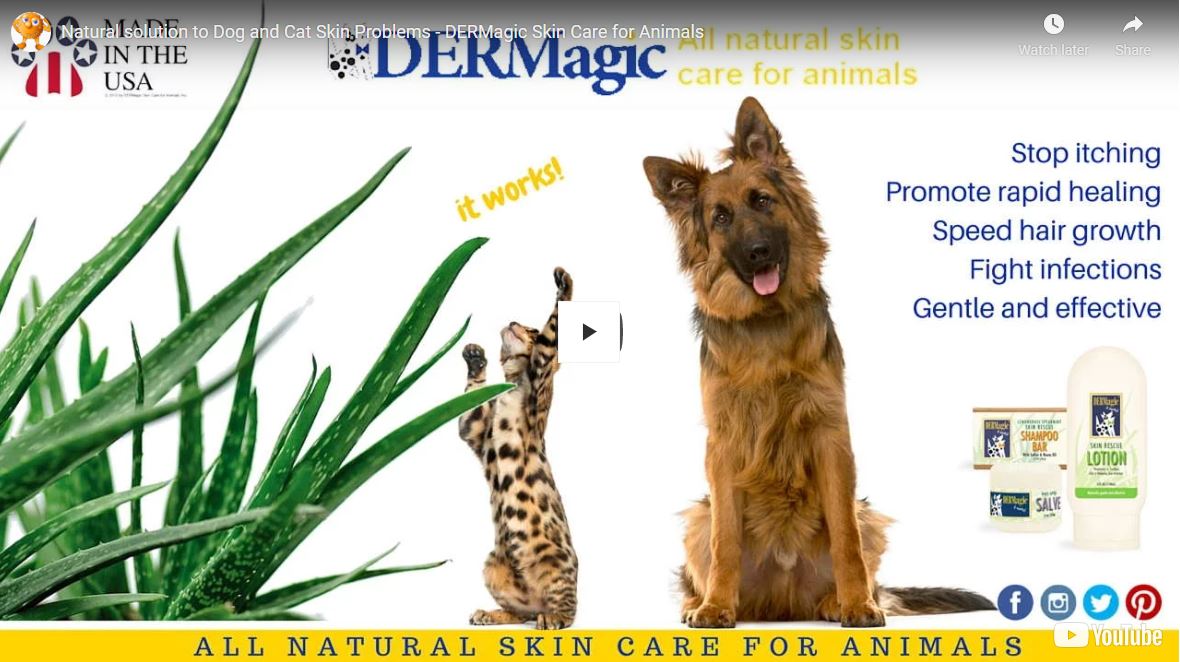
DERMagic - A Breakthrough in Dog and Cat Skin Care
Our line of skincare formulas for animals uses only the finest ingredients, including:
- Certified organic whole leaf aloe vera gel
- Rich, organic, fair-trade shea butter
- Sustainably sourced, fair-trade sunflower seed oil
- Expeller-pressed, organic and Ayuredic sesame seed oil
- Locally sourced beeswax
- Premium, cold-pressed neem oil
- Pure essential oils from organically grown plants
DERMagic products contain many natural ingredients. We never use harmful ingredients that can impact your pets or the environment. Our products are free from parabens, phthalates, and sulfates.
DERMagic is now a member of the Mendota Pet family. Founded in 1994, Mendota Pet has been providing high-quality, leashes, collars and pet products - all of which are Made in the USA. While DERMagic’s product labels have changed to reflect their new association with Mendota Pet, NO CHANGES have been (or will be) made to DERMagic’s premier line of all-natural skin care products.
If you are not fully satisfied with one of our products we will refund your product purchase price no questions asked - guarantee details here
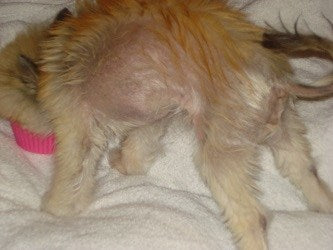
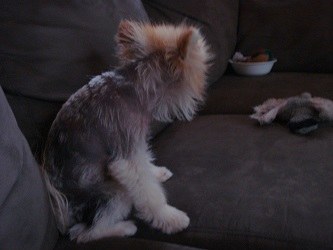
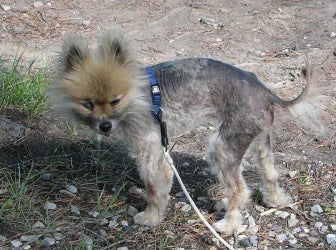
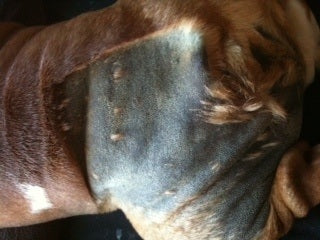
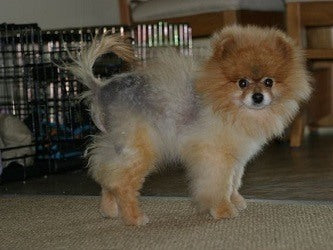
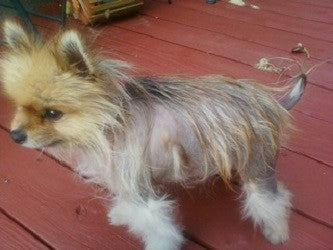
Before & After
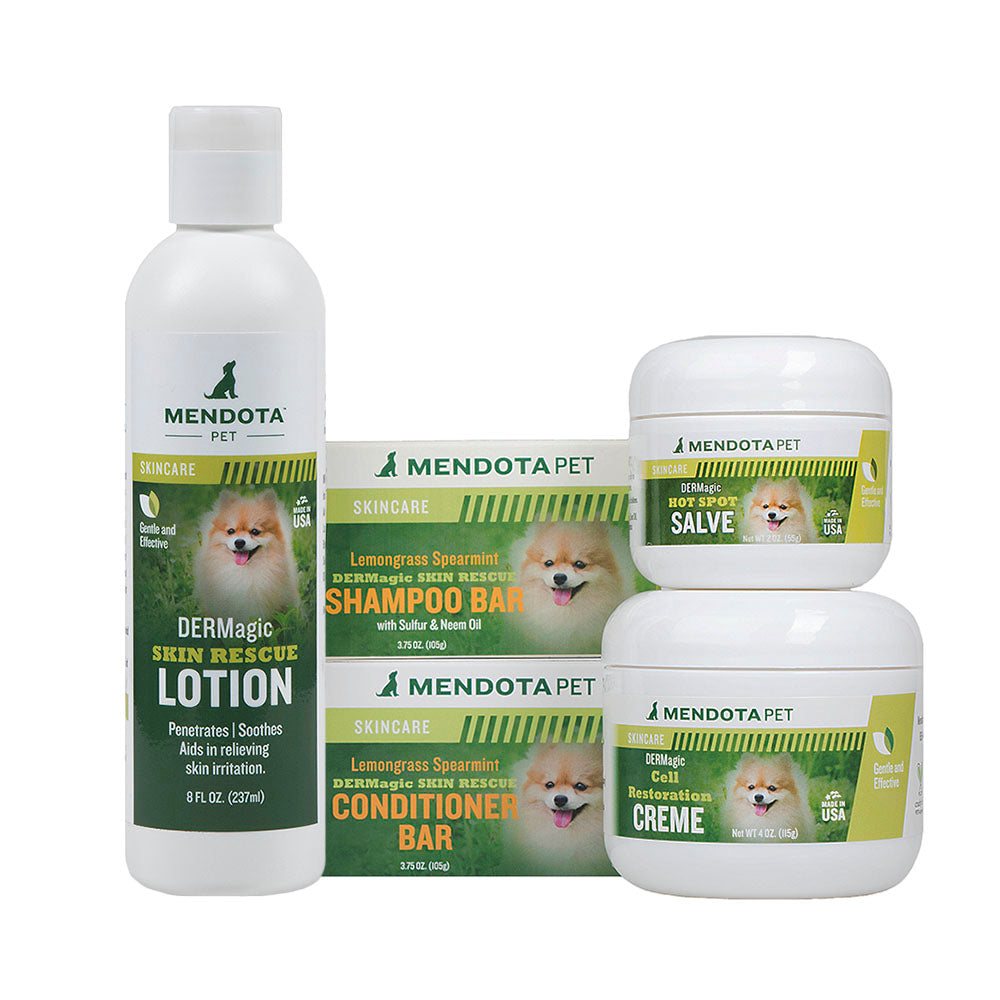
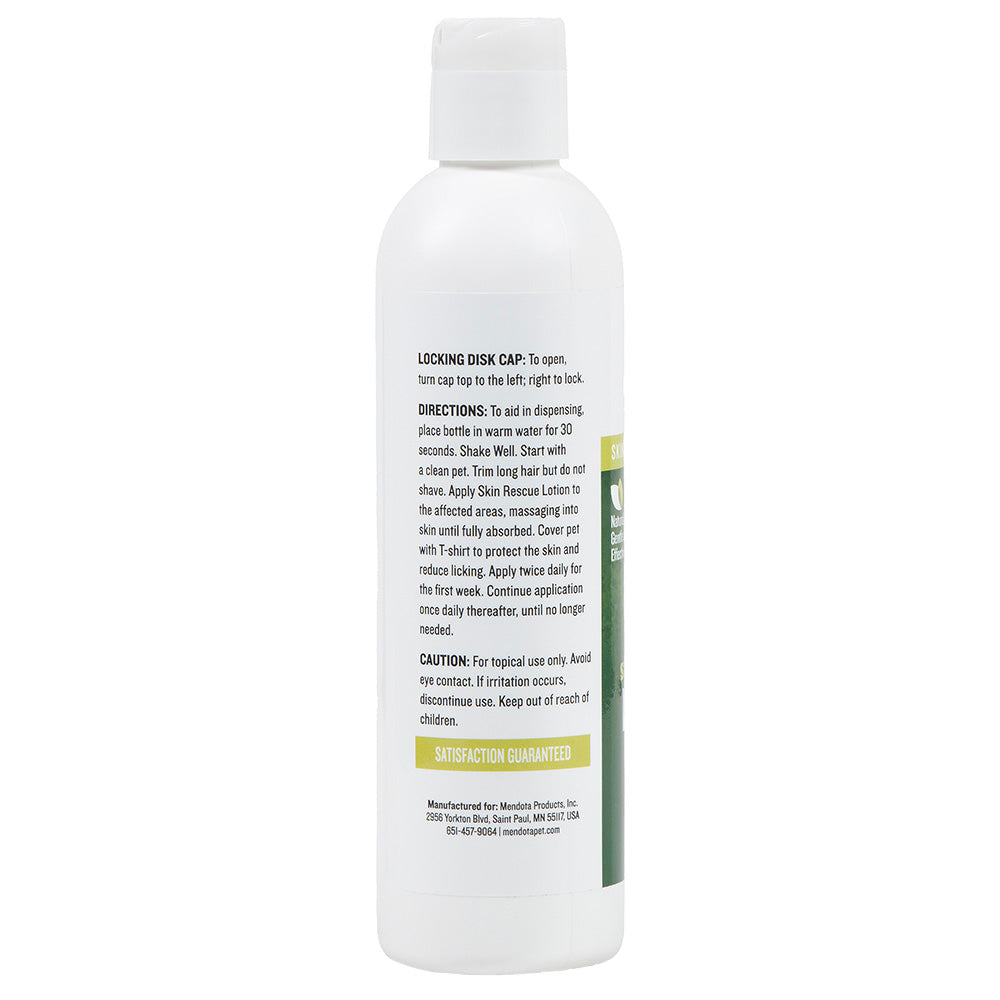
A breakthrough in skin care for animals - DERMagic Skin Rescue lotion & The DERMagic system can be seen in action below - Individual results may vary and are backed by our 90 day satisfaction guarantee


Blog posts
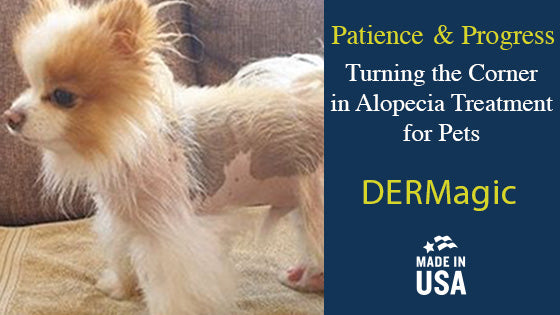
Patience & Progress: Turning the Corner in Alopecia Treatment for Pets
The Importance of pH Levels in Pet Skincare 🧪 👩🔬
Understanding Surfactants In Our Shampoo. Keeping Clean With Care
Let customers speak for us
I’m beyond impressed! My Pomeranian had black skin and lost all his fur except a few tufts on his paws and started loosing fur on his head. I was unsuccessful in researching a remedy until discovering Dermagic and started treatment 3 months ago working in the lotion every night. After a month his skin started to improve and fur growth started to show! At 3 months he has fur growth about 2 inches long and skin is healthy. I’m so happy and will confidently recommend your product. Thank you Dermagic!

I have used your products before and I have had great results. My poor baby has had BSD several times and your products have gotten his hair back. I got the Salt Scrub for his yeast problem. He is a Pom and has very thick hair so applying this is tricky but doable. Takes all that yeast off and stops him from being sooo eichy for awhile. Unfortunately he will always have a yeast problem. His BSD came back in two spots on his back and with the SC and the Lotion his hair is coming back again. Just be patient with the products they WILL WORK.
THANK YOU from Shilo and mom ☺️

Products were derived in three days and after my second order I can see very good results. The advice they gave was very clear and my Pomeranian is showing real improvement. Great brand and I will order again
DERMagic is really magic. The only product that worked for my dog with AlopeciaX

Please never stop selling these shampoo bars!!! My Labrador and I love them! They make his skin and coat beautiful, and they smell heavenly! Thank you, thank you, thank you!

Highly recommend. Fast shipping and service. Gives your pet or pets relief from mite discomfort while going through treatments of dipping and bathing to ease the itching. Wonderful company. Rub lotion on your pet throughout the day and after bathing give it a few minutes and your pet will get some relief. I have two dogs and they got it after being outside from other dogs possible strays that got loose and was in my yard.
Solo puedo decir que ustedes son lo mejor que existe en productos para Alopecia X , hay que tener constancia y orden en sus aplicaciones , a veces cansa y agota no ver cambios tan rápidos como uno quiere pero el tiempo dirá lo contrario , un consejo nunca corten el pelo de su perrito en medio de su tratamiento en mi caso retrocedió su mejoría se estanco su crecimiento por culpa del corte de pelo , así que solo seguir con los productos Dermagic y tener mucha fe que se recuperara lo mas pronto posible¡¡
We have been trying everything for our lab/malamute alopecia X hair loss. Our veterinarian basically just wrote him off as “can’t do anything”
In desperate googling I found this wonderful shampoo/conditioner and lotion combo. After two baths we noticed hair growth. This has been the only thing that has worked. He is re-growing hair after 4 years!! I couldn’t be happier with this product. I am so sad I didn’t know about it sooner.

For over two years, I searched for a solution to my dog's black skin disease. Vets offered no hope, and I had given up with a heavy heart. However, six months ago, I discovered a product that has brought relief to my dear Marley, and I'm witnessing positive results.
For over two years, I searched for a solution to my dog's black skin disease. Vets offered no hope, and I had given up with a heavy heart. However, six months ago, I discovered a product that has brought relief to my dear Marley, and I'm witnessing positive results.
My poodle has a lot of sebaceous adenomas for which there is no treatment. Her scratching, irritates them. I have seen improvement with daily applications of the lotion directly on the SA. She seems more comfortable. I’m very happy with the improvement.
Dermagic Skin Rescue Lotion is the best product for our little dog with yeast issues. It actually kills the yeast quickly and I really appreciate that it’s all healthy and healing ingredients. We love the shampoo bars also. Thank you for these wonderful (and safe) skincare products❣️❣️❣️
I was lucky to have discovered Dermagic…! For Alopecia-X Lemongrass Spearmint and peppermint or tea tree oil shampoo with conditioner is the only way I have found for about 4 years to stop alopecia which comes back every year. I get ahead by giving him a shampoo once a week, as soon as I see the black skin at the bottom of the hair for a month and then, when I see the black skin disappearing, I give it every 2 weeks. but, I have also been giving 3 mg of melatonin without xylitol for 4 years. and then I can shampoo once every 15 days or every month. for my little Pomeranian it always starts in December every year. P.S. The first time I started using shampoos it took 12 weeks before I saw any regrowth, but now I'm getting ahead and the hair doesn't have time to fall out. THANK YOU Dermagic Charlotte

After one month effect will start I think need more hold on.

This is not the first time, I have used your products, I know it is a long road for my Pomeranian to recover his coat but i have a lot of trust in Demagic

Let customers speak for us
I’m beyond impressed! My Pomeranian had black skin and lost all his fur except a few tufts on his paws and started loosing fur on his head. I was unsuccessful in researching a remedy until discovering Dermagic and started treatment 3 months ago working in the lotion every night. After a month his skin started to improve and fur growth started to show! At 3 months he has fur growth about 2 inches long and skin is healthy. I’m so happy and will confidently recommend your product. Thank you Dermagic!
I have used your products before and I have had great results. My poor baby has had BSD several times and your products have gotten his hair back. I got the Salt Scrub for his yeast problem. He is a Pom and has very thick hair so applying this is tricky but doable. Takes all that yeast off and stops him from being sooo eichy for awhile. Unfortunately he will always have a yeast problem. His BSD came back in two spots on his back and with the SC and the Lotion his hair is coming back again. Just be patient with the products they WILL WORK.
THANK YOU from Shilo and mom ☺️
Products were derived in three days and after my second order I can see very good results. The advice they gave was very clear and my Pomeranian is showing real improvement. Great brand and I will order again
DERMagic is really magic. The only product that worked for my dog with AlopeciaX
Please never stop selling these shampoo bars!!! My Labrador and I love them! They make his skin and coat beautiful, and they smell heavenly! Thank you, thank you, thank you!
Highly recommend. Fast shipping and service. Gives your pet or pets relief from mite discomfort while going through treatments of dipping and bathing to ease the itching. Wonderful company. Rub lotion on your pet throughout the day and after bathing give it a few minutes and your pet will get some relief. I have two dogs and they got it after being outside from other dogs possible strays that got loose and was in my yard.
Solo puedo decir que ustedes son lo mejor que existe en productos para Alopecia X , hay que tener constancia y orden en sus aplicaciones , a veces cansa y agota no ver cambios tan rápidos como uno quiere pero el tiempo dirá lo contrario , un consejo nunca corten el pelo de su perrito en medio de su tratamiento en mi caso retrocedió su mejoría se estanco su crecimiento por culpa del corte de pelo , así que solo seguir con los productos Dermagic y tener mucha fe que se recuperara lo mas pronto posible¡¡
We have been trying everything for our lab/malamute alopecia X hair loss. Our veterinarian basically just wrote him off as “can’t do anything”
In desperate googling I found this wonderful shampoo/conditioner and lotion combo. After two baths we noticed hair growth. This has been the only thing that has worked. He is re-growing hair after 4 years!! I couldn’t be happier with this product. I am so sad I didn’t know about it sooner.
For over two years, I searched for a solution to my dog's black skin disease. Vets offered no hope, and I had given up with a heavy heart. However, six months ago, I discovered a product that has brought relief to my dear Marley, and I'm witnessing positive results.
For over two years, I searched for a solution to my dog's black skin disease. Vets offered no hope, and I had given up with a heavy heart. However, six months ago, I discovered a product that has brought relief to my dear Marley, and I'm witnessing positive results.
My poodle has a lot of sebaceous adenomas for which there is no treatment. Her scratching, irritates them. I have seen improvement with daily applications of the lotion directly on the SA. She seems more comfortable. I’m very happy with the improvement.
Dermagic Skin Rescue Lotion is the best product for our little dog with yeast issues. It actually kills the yeast quickly and I really appreciate that it’s all healthy and healing ingredients. We love the shampoo bars also. Thank you for these wonderful (and safe) skincare products❣️❣️❣️
I was lucky to have discovered Dermagic…! For Alopecia-X Lemongrass Spearmint and peppermint or tea tree oil shampoo with conditioner is the only way I have found for about 4 years to stop alopecia which comes back every year. I get ahead by giving him a shampoo once a week, as soon as I see the black skin at the bottom of the hair for a month and then, when I see the black skin disappearing, I give it every 2 weeks. but, I have also been giving 3 mg of melatonin without xylitol for 4 years. and then I can shampoo once every 15 days or every month. for my little Pomeranian it always starts in December every year. P.S. The first time I started using shampoos it took 12 weeks before I saw any regrowth, but now I'm getting ahead and the hair doesn't have time to fall out. THANK YOU Dermagic Charlotte
After one month effect will start I think need more hold on.
This is not the first time, I have used your products, I know it is a long road for my Pomeranian to recover his coat but i have a lot of trust in Demagic